Heads up poker is the purest form of the game and is one of the most profitable game types for skilled players.
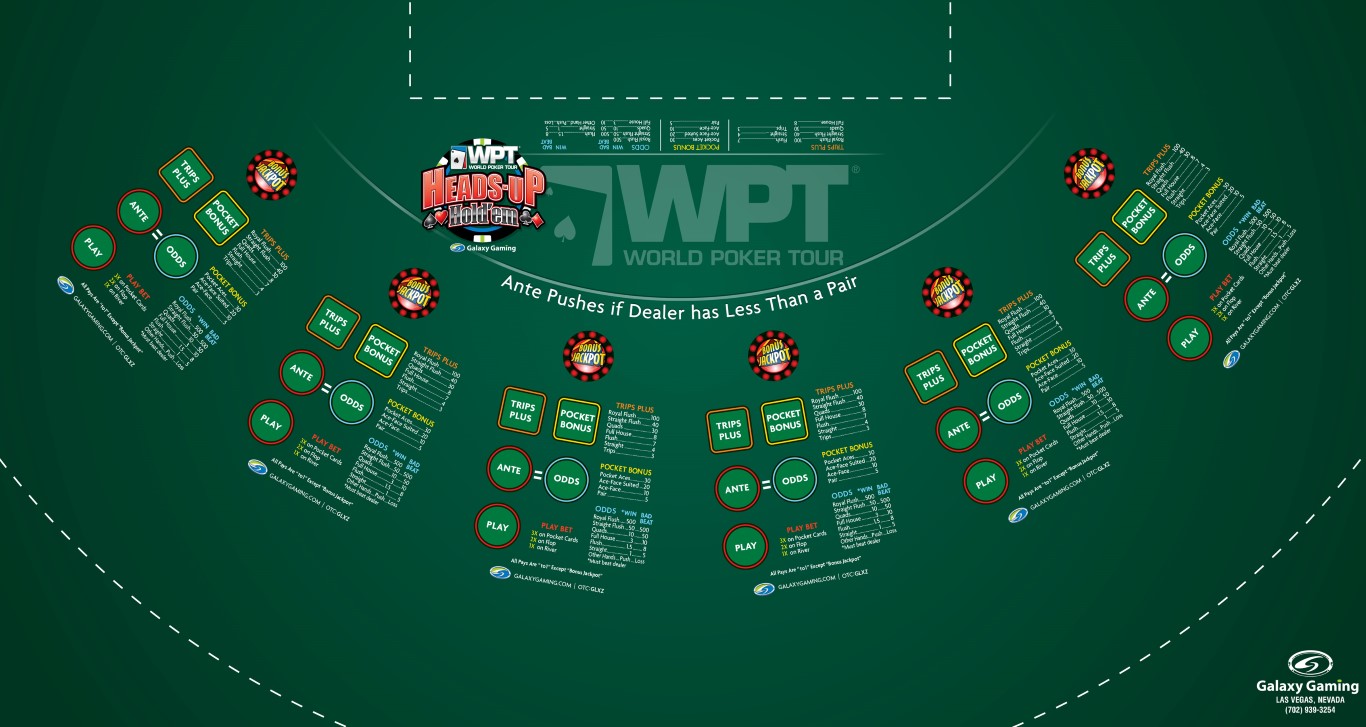
The earlier he raises, the more he can bet. The main differences between Heads Up Hold 'Em and Ultimate Texas Hold 'Em are in the former the player may raise only 3x his Ante bet before the flop, but the game includes bad beat bonuses for losing with a straight or higher. Following are the rules for Heads Up Hold 'Em. Conclusion - Heads Up Poker Strategy. Well, that's my quick and dirty tips to heads-up limit poker and effective strategy in the game. Playing this type of 1 vs 1 poker will definitely be a difficult and struggle at first, even for the seasoned texas hold'em player, but it's.
Heads up poker format means that you will have to play the blind every hand and hence will have to play LOTS of hands - in some cases 100% of the hands you are dealt.
It's a high-pressure environment, that's for sure.
For a proficient player, this gives the opportunity to impost their skill set onto weaker opponents every single hand and can mean higher win-rates when compared to 6-max and full-ring games.
The key skill in heads up poker is the ability to adjust to your opponent and exploit them - that is what we will be covering in this article as we try to adjust to another professional player and target his leaks and weaknesses.
Adjusting Your Heads Up Strategy
A winning player's heads up poker strategy consists of a malleable game plan ready to go from the onset. Solid ranges they’ve developed that they look to adjust as new information is learned about their opponent.
Playing against a past challenger allows you pick-up where you left off in your previous encounter. Looking for ways to get an edge. Exactly what I was doing in a recent heads-up poker SNG tournament battle where I was pitted against a coach from Japanese poker site, www.pokertrainingjp.com.
I had won 2-1 in the previous bout of HU SNG’s, but Akinori issued a new challenge. He was keen for revenge since the games would be recorded for content on the Japanese poker training site.
Free MTT Poker Training:
The Underused MTT Skills Essential For Success
- 5 Day Email MTT Poker Training Course By Poker Pro Kelvin 'Acesup' Beattie
- 3 Key Skills That Will Take Your MTT Poker Game To A New Level
- 1.5 Hours Of Professional Poker Training
The key to defeating Akinori again was all in the adjustments. His style was ‘TAGish’ which leaves you particularly vulnerable in short-handed and heads-up games.
My plan was an aggressive blitz. Constant aggression allowing me to win the majority of the pots. Chipping away at him until eventually, I’d finish off his dwindling stack.
This is also a very common scenario when heads-up in an MTT.
MTT poker players often lack a heads up poker skill set and are easily exploited since they aren’t used to playing the wide ranges necessary to be competitive heads-up.
Check out the video of the match and then we will discuss the strategy involved:
Heads Up Poker Strategy: Preflop Starting Ranges
I planned to open around 5% wider than I would against a tough opponent. In hindsight, I think opening 100% of hands would have been a reasonable strategy. This would allow me to exploit his tendencies to over-fold preflop, and 3bet at a low frequency. A style which was confirmed in the replay as he made some questionable folds.
Conversely, against his open raises, I didn’t plan on folding much at all.
Versus his 2.5x open raise I was calling more than 5% wider than I would against a tougher player. The pot odds would be 2.3:1 to call. Around 30% ‘straight-up‘ equity required. When considering the all important equity realization, with some of the weakest calls in my range like 63o, I’d need to realize equity as follows;
Equity realization required = pot odds / equity = 0.3 / 0. 334 = 90%.
I was fairly confident I’d be in this vicinity given Akinori’s tendency to be a little passive post flop, especially on the later streets. This is common for a lot of ‘TAGish’ players when they get to heads-up.
They know a good strategy is to open a lot of hands preflop, but this translates to them being out of their comfort-zone on later streets when they’re frequently left with much more marginal holdings then they are used to. Typically resulting in a lot of turn and river checking.
This passivity on later streets would allow me to realize a reasonable share of my equity OOP. Again evident in the replay as some of my weaker out of position floats did get to the river where I was able to steal some nice pots (Q2, J9, etc).
Defending The Blinds Heads Up: 3betting
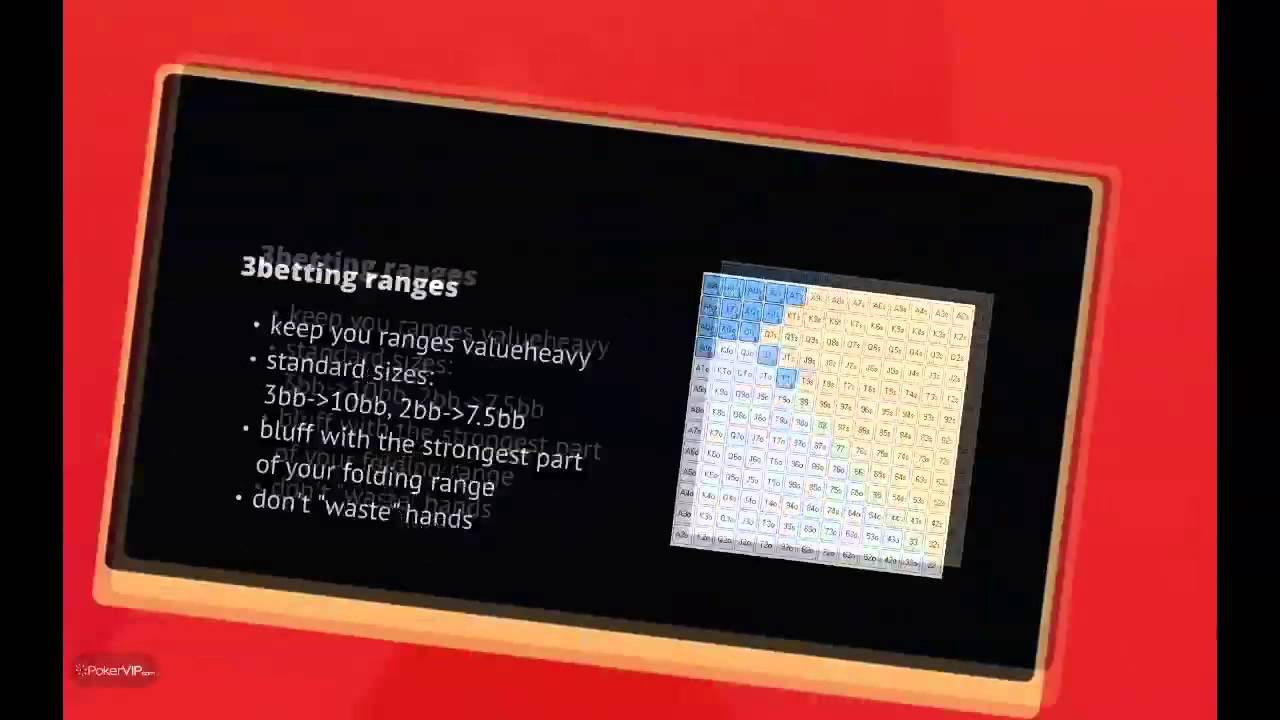
Part of the HU strategy to defend frequently from the big blind included 3 betting a lot.
A typical strategy might include a mix of:
- weaker suited hands,
- premium hands,
- and a mix of suited connectors mostly for board coverage protection.
All at a frequency.
Equating to around a 15-20% sort of range spread. I planned on pushing this a bit further to 20%+ by including a mix of high-low holdings (as we saw with Q2s, J4o), and some weaker combinations at a low frequency. Aiming to profit from my opponent's over folding ways.
Key Strategies To Beating Heads Up Poker
Overall the adjustments pointed out are not huge. However, they help set the tone of the match, as well as lay the foundation for post-flop play. Increased opens, more defending from the big blind including a lot of 3 betting.
This style makes it really tough for a 'TAGish' type of opponent to get into a rhythm as it keeps them constantly under pressure. Their likely response is to attempt to steal less, which has the profitable result of allowing for more walks from the big blind.
This tough preflop play is then backed up postflop with frequent cbets and barrels, as well as a good mix of raises and floats. Which will be the topic of next article as we continue this heads-up series!
What About VS Loose Heads Up Opponents?
Each type of opponent presents different challenges to overcome. Loose opponents allow you to me more patient with your offense. Reducing your bluffs whilst increasing your value bets - Since your opponent will be doing more calling.
You can 3 bet wider for value if they aren't folding to reraises preflop. Proceed post-flop by cbetting less, but look for 'thinner' value. Especially on the later streets when you have more accurately identified your opponents range.
Floating out of position which works well against tighter opponents, should be used carefully. When calling a flop cbet with a marginal hand, along with some hope of improving to the best hand, the chance to steal the pot on a later street often makes this play profitable. However loose opponents often call the river with a wide range. So bluffing in a lot of spots can be a futile play. Stick to solid holdings and contest the pot more aggressively in position.
Positional advantage offers you the opportunity to take more free cards, value bet confidently, and fire small ball bluffs. Remembers a loose opponents range will often be wide, so timely bluffs should be an important part of your strategy. Attack when their range consists of numerous weak holdings, and the board heavily favors your range. Don't push the aggression but rather look for boards that develop favorably when firing multiple bullet bluffs. Moves like this can be quite risky against a loose opponent!
Summary: Strategical adjustments made this match
Having played against my opponent previously, I'd gained a good feel for the way Akinori was playing. Overall a little too tight, in, and out of position. This provided me with an opportunity to make some adjustments to gain an edge in the match.
Starting with preflop. Raising more on the button and defending more aggressively from the big blind. Setting the tempo of the match, I kept my opponent under pressure and was clearly winning the majority of the pots. By adjusting and gaining an edge in the game, I was again able to claim a 2-1 victory in this heads up poker match.
Make sure you check out the video below for some more heads up poker strategies:
Get Access to Lesson 5.8 From the Road to Success Course which is a 45 minute video covering important heads up strategies.
Want more videos like the ones in this blog post? Check out the PokerNerve Road to Success Course where we have almost 100 videos like this to help take your game to the next level.
Bryan Pellegrino has spent years building up an image as one of the most feared high-stakes heads-up sit-n-go players online.
Playing under the handle “PrimordialAA,” Pellegrino has won several hundreds of thousands of dollars beating heads-up sit-n-gos. The Lock Poker Pro has been an instructor with both PokerStrategy and CardRunners where he produced heads-up sit-n-go videos. This year, Pellegrino has decided that he is going to make a run at achieving Supernova Elite status on Pokerstars by playing heads-up hyper turbo sit-n-gos from the $200 buy-in level all the way up to the $1,000 hyper turbos.
Pellegrino isn’t just strictly an online specialist though. In 2009, at his very first World Series of Poker, he came in eighth in the $10,000 heads-up championship event. He followed this up with a deep run in the main event in 2010 and had a second-place finish in the $1,500 pot-limit hold’em event in 2012.
Card Player caught up with Pellegrino to talk about heads-up sit-n-go strategy.
Steve Schult: Let’s say somebody is transitioning to heads-up sit-n-gos from six-max or full ring sit-n-gos. What would be the biggest adjustment that player is going to have to make?
Bryan Pellegrino: Playing a lot more hands. Obviously in those other games you will be playing far fewer hands than in heads-up. In heads-up, you will be playing 70 to 100 percent of hands in position and around 60 to 80 percent of hands out of position. That means you will be put in spots with a lot of weaker hand strengths on average and also where your opponents hand strength is weaker.
It makes hand reading and adjusting a bit trickier when people have ranges that are much wider so most six-max and full-ring players have a hard time with that.
SS: So would it be easier for someone to transition to these games from heads-up cash? What are the differences in skill set between the two?
BP: Obviously, it will be much easier for a heads-up cash player. Though it depends on if they are going to move to hypers, turbos, or regular speed games before you can talk about the skill sets. Hypers require a much different skill set than the other two because you need to know how to play a much shallower stack size very well. Most cash players are really poor at that since they rarely play less than 50 big blinds deep and are usually deeper than 100 big blinds.
Turbos and regular speeds are a bit easier for them since your starting stack is 75 big blinds deep and frequency wise it plays pretty similar to 100 big blind stacks, so they are more comfortable. But everybody moving over has to adjust to playing shallow.
Less than 10 big blinds, 11-to-15, 16-to-25, 26-to-35, and 36-to-50 big blind stack sizes each have lots of different nuances. Anybody coming over will have trouble if they haven’t played those stacks frequently and will need to work on their game in those spots a lot.
SS: So what are some examples of the things you are able to do shallow stacked as opposed to a deep-stack cash game structure? How do hand values change with regards to stack depth?

BP: There are a couple different things. At around 16-to-25 big blinds a lot of people stop having a non all-in three-bet range, so they will just three-bet jam if they three-bet or they will flat otherwise. This takes away the initial raiser’s ability to flat hands to a three-bet and the more frequently the opponent does it, the more it will change the raiser’s opening range.
For instance, once you get shallower than say nine or 10 big blinds, the big blind pretty much never flat calls a min raise anymore. So now the options they have are either three-bet shove or fold their big blind. That means in our mind, hands you can’t raise/call with, like J-3 suited or 7-2 offsuit, have the same value. There are tons of interesting calculations about how you should structure ranges here against different frequencies once they have a shove or fold reaction, but the fact of the matter is that lots of people don’t take it into account, especially when they are moving over from other games.
SS: Can you talk about the importance of the button? Everybody knows position is of the utmost importance in all forms of poker, but is it more or less important in a heads-up match?
BP: In my opinion it’s much more important in heads-up sit-n-gos. With hand ranges being so wide and less polarized (meaning they either have the top of their range or a complete bluff) in a lot of spots, thin value betting becomes very important. Having the button means you have the most information and that helps a ton in being able to value bet thinly.
SS: Let’s talk about your opening range on the button. How wide are you going to be raising from the button? Does your range change if you are playing a good player or a bad player?
BP: I open wide. Very wide. I open around 85 to 95 percent from the button. It doesn’t change too much against a good player or a bad player, but people’s three-bet and flatting frequencies will make me change my own a bit. Not how many hands I play necessarily, but which hands I min-raise and which hands I limp. So I don’t really start to play fewer hands, I just change how I structure each min-raise and limp range against different players.
SS: What about playing out of position from the big blind? You have stressed the importance of the button, but how wide are you defending your big blind?
BP: It depends on how wide they are opening. Good players tend to open lots of hands. Bad players don’t open that many. I am defending pretty wide though. Somewhere between 65 to 80 percent usually and it’s obviously mixed between calling, non all-in three-betting, and three-bet shoving.
SS: How do you decide whether to flat call, three-bet, or three-bet shove?
BP: Based on a couple of things. The wider guys are opening, the wider I’ll be three-betting. Then it kind of depends on if they call a lot, four-bet jam, or fold.
For instance, someone who never calls a three-bet and only four-bet jams or folds, I would make all of my three-bets non all-in.
However, most people do a mixture of both, so naturally you’re always jamming hands that you definitely don’t want flatted, like pocket deuces through fives and A-2 through A-6. Then you need to balance the rest between value and bluffs in both your three-bet shove and non all-in three-bet. You should have some of both in both ranges for sure.
You pretty much flat everything else that’s left and adjust based on how they play.
Heads Up Hold Em Strategy
SS: Moving to some postflop strategy, how about your continuation betting frequencies? Since most of the time, neither player makes a hand, how often are you continuation betting flops and what types of boards are you going to bet or check back?
BP: Again, it obviously depends greatly on who you’re playing. A lot of people are the brainless kind who just like to check-raise every good hand or strong draw they have.
So for instance, on a board like 10 8 7, there are just infinite board runouts where you can just bet flop, bet turn, and jam river where they can’t call any of their range, but more balanced players are going to make it tougher to do that. They will also have a leading range so the action doesn’t just default back to you on the flop. Against those players it’s important to balance your continuation bet and check-back range and be thoughtful of how likely they are to hit the flop, check-raise, lead turns when you check back, and other factors like that.
SS: Lastly, I wanted to ask about return on investment (ROI)? What kind of ROI can you achieve in different structured games?
Heads Up Texas Hold'em
BP: It’s an interesting subject. In turbos, you can probably hold 5 to 7 percent at reasonable stakes, where as in hypers it’s more like 2 to 3 percent. The fact of the matter is though that the hypers have about 50 times the action that the turbos have. So when it comes down to hourly rate, most of the hyper players are killing similar stakes turbo players. That’s also why the Sharkscope leaderboard is filled with hyper turbo players.
Poker Heads Up Strategy Games
So while you can maintain a much higher ROI at turbos and regular speed games, the hourly is almost way too low to justify it. A lot of good players play both though.
Heads Up Hold Em
SS: Thanks for your time Bryan. Good luck chasing Supernova Elite this year.